Eastern Oklahoma · First edition · 2026

The old ways, written down before the last man who knew them is gone. Twenty chapters. 165 pages. Checked, and corrected where it was wrong.

Most of us meant to ask. We were busy, or we were young, and then the one who knew was in the ground and it was too late. This is the book I wish somebody had handed me at thirty.

I'm not a Native man and I've never said I was. What I know I learned by hand, from elders and friends who carried these ways and let me do the work. I pass on what was given to me. I keep back what was never mine to give. Cal Ironwood
165 pages, illustrated A PDF you can print 60 days, keep the book No app, no subscription
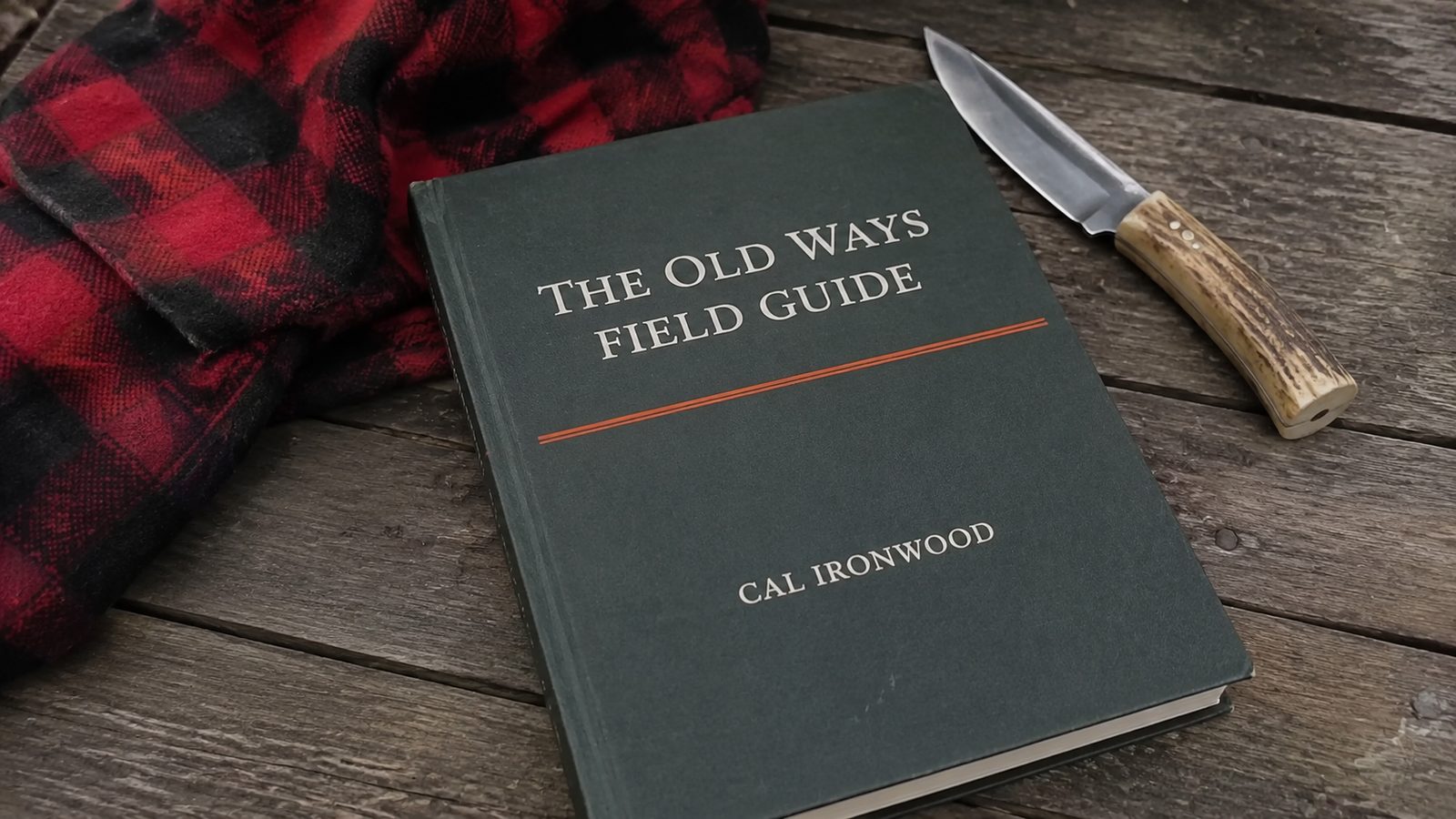
The Old Ways Field Guide, printed and laid open on a plank table with a knife and a coil of cordage
The Old Ways Field Guide · 20 chapters · 3 printable sheets
0
Pages
0
Chapters
0
Parts
0
Printable sheets
0
Days to change your mind

Why this book exists

You are the one it stops with, or you are the one who writes it down.

There was a man in your family who could do things. Read a track. Bank a fire so it was still alive at daybreak. Tell you which plant in the fence row was food and which one would put you on the floor. You watched some of it. You did not ask enough. Then he was gone.

I hear the same two sentences from men my age over and over. They are hard to read and I put them here on purpose.

Wish I had paid more attention to the old ways when I was younger. I never got to learn any of his ways because he passed when I was about 5 years old.

Both of those are real things real men wrote under videos about these skills. Not about this book — this book is brand new.

This book does one thing. You stop being the one the knowledge died on.

It is written to be handed to somebody. Print it and put it in a drawer. Give it to a grandson who does not know yet that he wants it. That is the whole point of setting it down on paper.

Get the field guide $47
Sent to your email as a PDF. Print it as many times as you want.
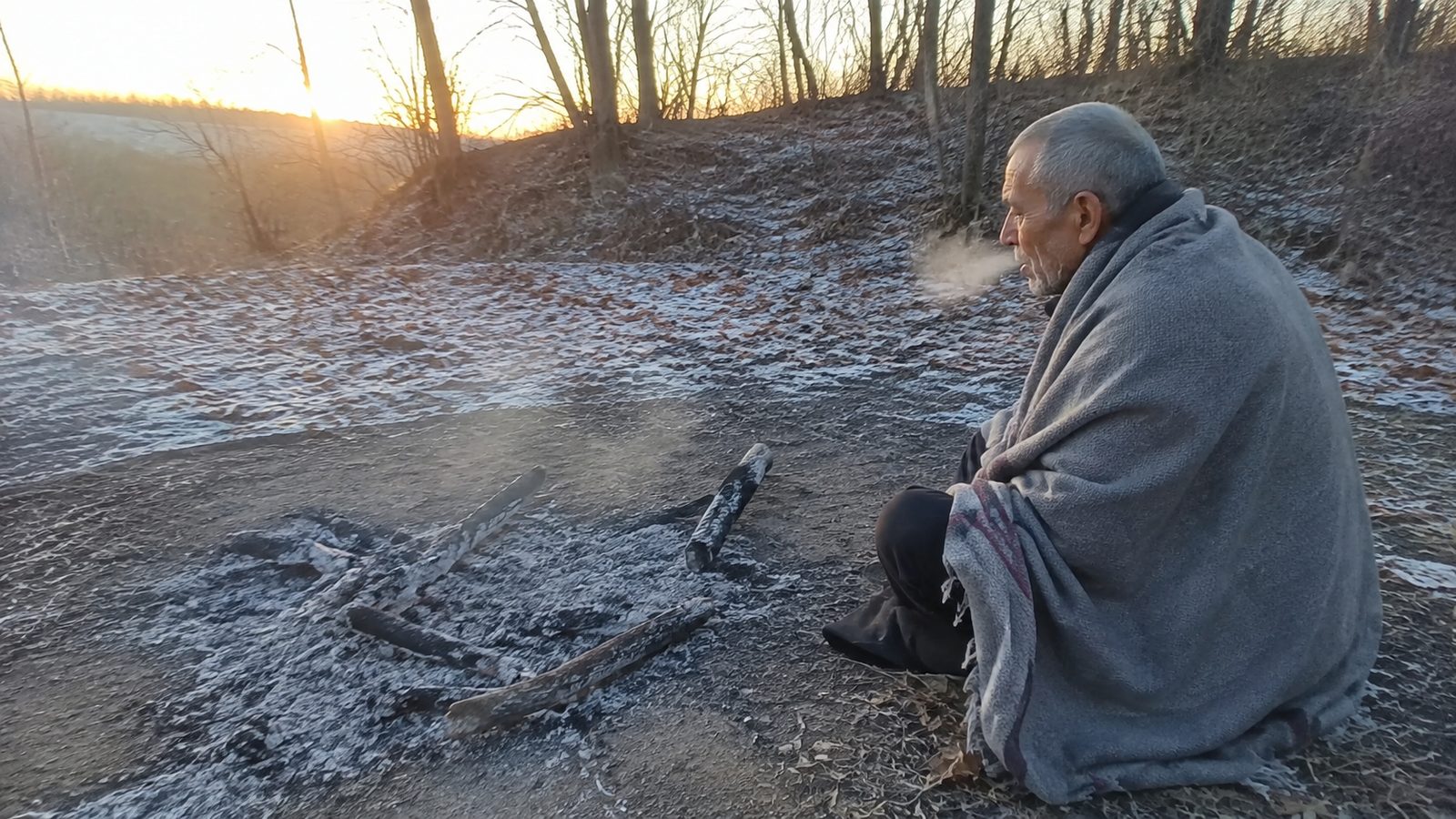
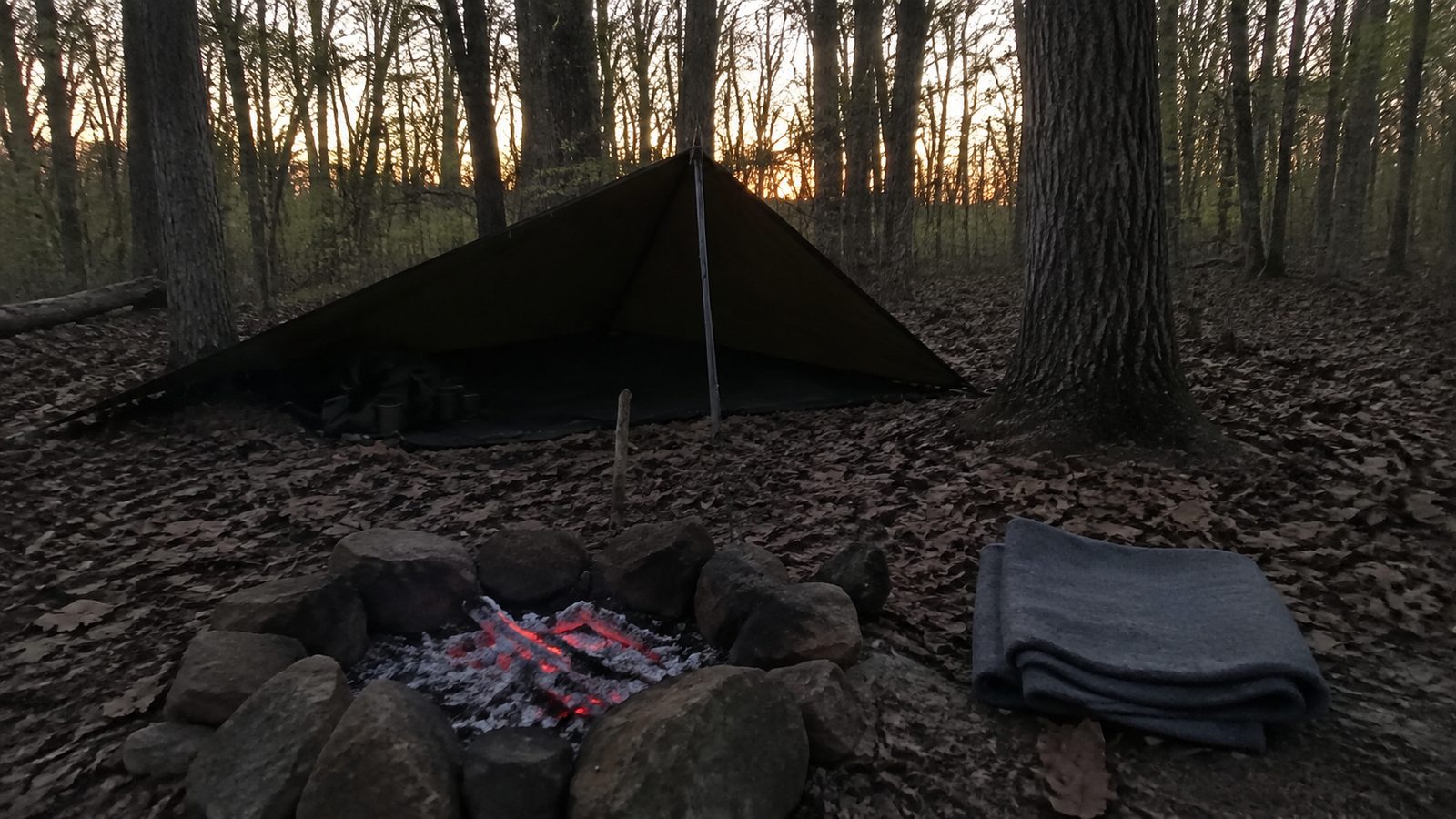
A cold camp at dusk in the oak and hickory hills, a low banked fire and a grass bed under a brush lean-to
A cold camp in the hills at the end of the day. Nothing here cost money.

The whole thing, once

The Old Ways Field Guide

165 pages · 20 chapters · illustrated · 3 printable sheets

$75 $47

Launch price — ends Sunday

--
Days
--
Hours
--
Min
--
Sec
  • The Old Ways Field Guide165 pages, 20 chapters, drawings on nearly every one.$75
  • The Cold-Ground CardOne page for your pack. The hip-and-shoulder test, and what to lay under you with what you have.$14
  • The Night CheckThe list you run before you lie down. Fire banked, air moving, nothing left burning behind you.$16
  • What Grows Where You AreA plant sheet you fill in for your own county, with the look-alikes that will hurt you named first.$19
  • Everything together$124
Get all of it $47
One payment. No subscription. No app. No login.

Read it for 60 days. If it is not what you wanted, write to me and I send the money back. No questions, and you keep the book. I would rather you have it than argue with you about it.

The math

The counter sells you a fix. The old way already knew one.

I am not going to hold this book up against other books. Here is the honest comparison. These are the real prices on the shelf right now for the same five problems the old ways solved with what was on the ground.

Buying the answer

Off the shelf, today
  • Foam sleeping padTherm-a-Rest RidgeRest$34.95
  • The thicker foam padTherm-a-Rest Z Lite Sol$49.95
  • Winter air padTherm-a-Rest XTherm NXT$249.95
  • Folding sawSilky GomBoy$69.99
  • Canvas tipiStarting price, before poles$432
Five problems$836.84

What the old way costs

An afternoon, and what is already there
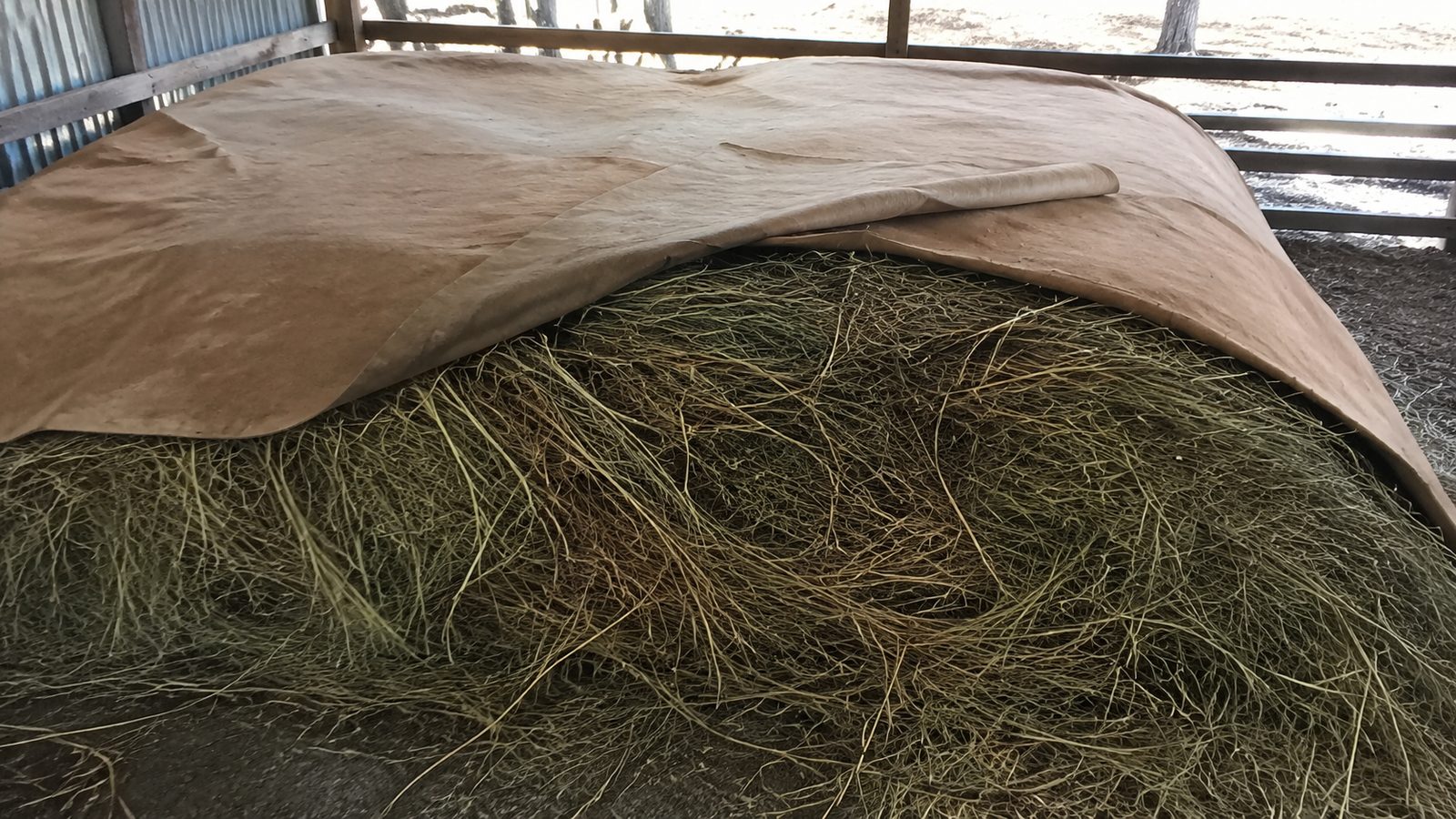
  • Dry grass piled thick, the way the Comanche did it, with a hide over the topCut it, pile it, lie down on it
  • Boughs shingled butt-down under your hip and your shoulderThe two places your weight crushes flat
  • A brush shelter out of deadfallOne good day of work
  • Dead limbs that snap clean, and a knife you own alreadyNo saw needed for most of it
  • Cordage twisted out of what grows in the fence rowAn evening on the porch
Five problemsAn afternoon
The book costs less than the pad $47
One payment. 60 days to change your mind.
Now the part a salesman would leave out

Some of that gear is worth the money, and I own some of it.

Anybody who tells you every modern thing is junk is selling you a story. So here is where I tell you to spend.

Buy the carbon monoxide alarm. First Alert CO400, about $25. That one is not optional and there is no old way that replaces it. No fire, no stove, no lantern inside a closed shelter or a closed vehicle, ever. Carbon monoxide has no smell. Men 65 and over die of it at a higher rate than anybody else. Buy the alarm.

Buy a pad if your back is bad. I am 65. Some mornings a grass bed is a fine thing and some mornings it is not, and a foam pad is cheap next to a week of hurting. There is no honor in a bad night.

The book tells you which is which, chapter by chapter. When to spend and when to save it. A man who tells you what to buy is a man you can believe when he tells you what not to.

Go out to the garage and count what you already spent on gear that is sitting there.

Get the field guide $47
Less than the cheap foam pad. Ends Sunday.

What's in it

Twenty chapters, in nine parts.

The counts are uneven because the work is uneven. Eating off the country took four chapters. Wet and cold took one, because one is all it needed. I did not pad it out to look thick.

I

Not being seen

3
  1. 1.Walking so you leave nothing behind you
  2. 2.Reading a trail, and what your trail says about you
  3. 3.Standing still: how an eye finds a man, and how to keep it from finding you

Half of it is not moving when moving is what you want to do.

II

Smoke, sound and scent at night

2
  1. 4.A fire that does not tell on you
  2. 5.Why sound runs downhill after dark, and what to do about it

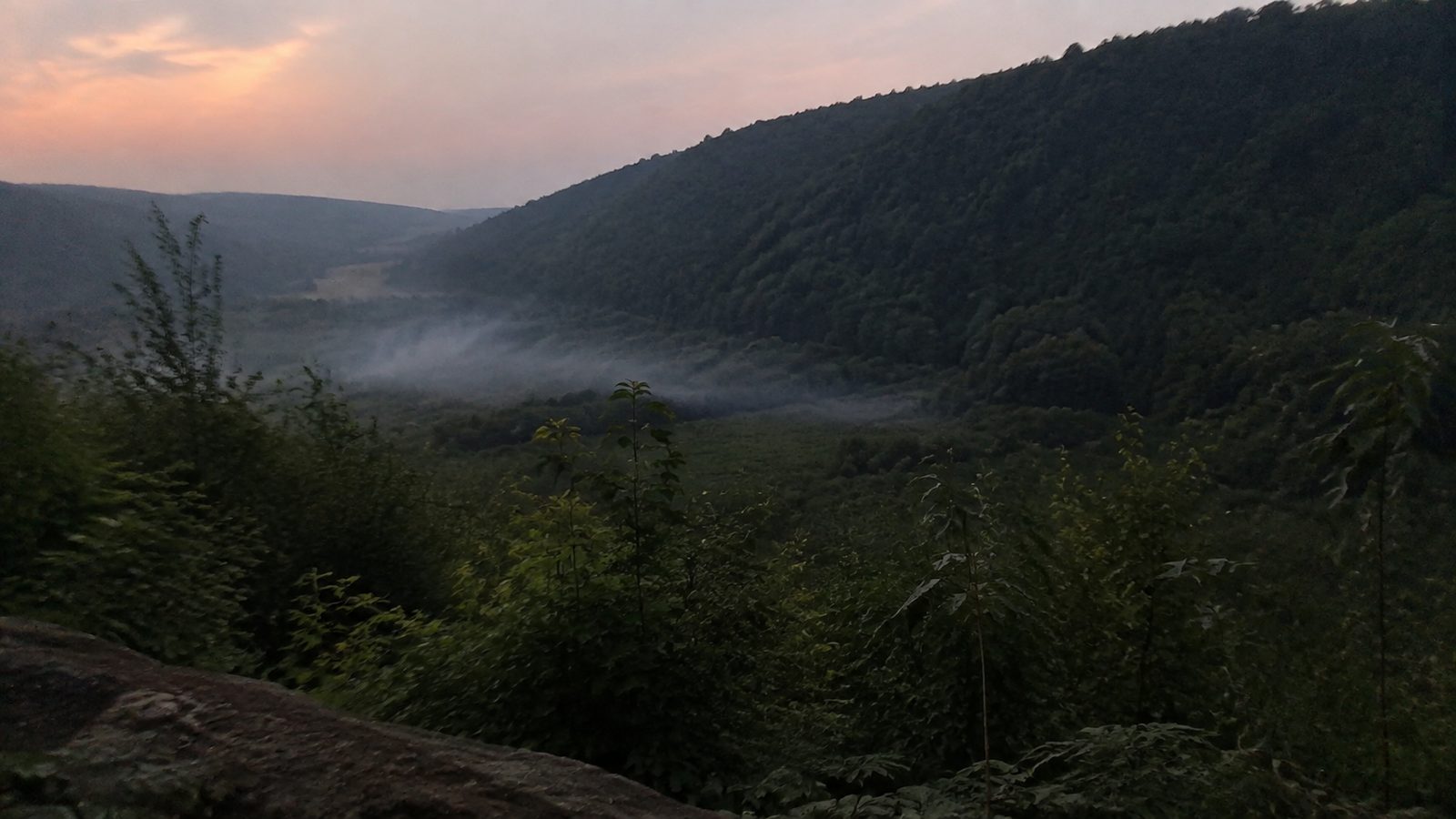
Cold air slides down a valley at night and it carries your smoke with it.

III

The ground is a thief

2
  1. 6.The hip-and-shoulder test, and why nobody can tell you how many inches
  2. 7.Grass, boughs and hide: the bed the old ones built

Your own weight crushes what is under you. That is the real reason it hurts.

IV

Shelters

2
  1. 8.A brush shelter you can put up in an afternoon
  2. 9.Wickiup, lean-to, and who actually built what

Where each one came from, named straight, including the ones that are not Native at all.

V

Fire, and cooking without a pot

2
  1. 10.Banking your fire so it is still alive at daybreak
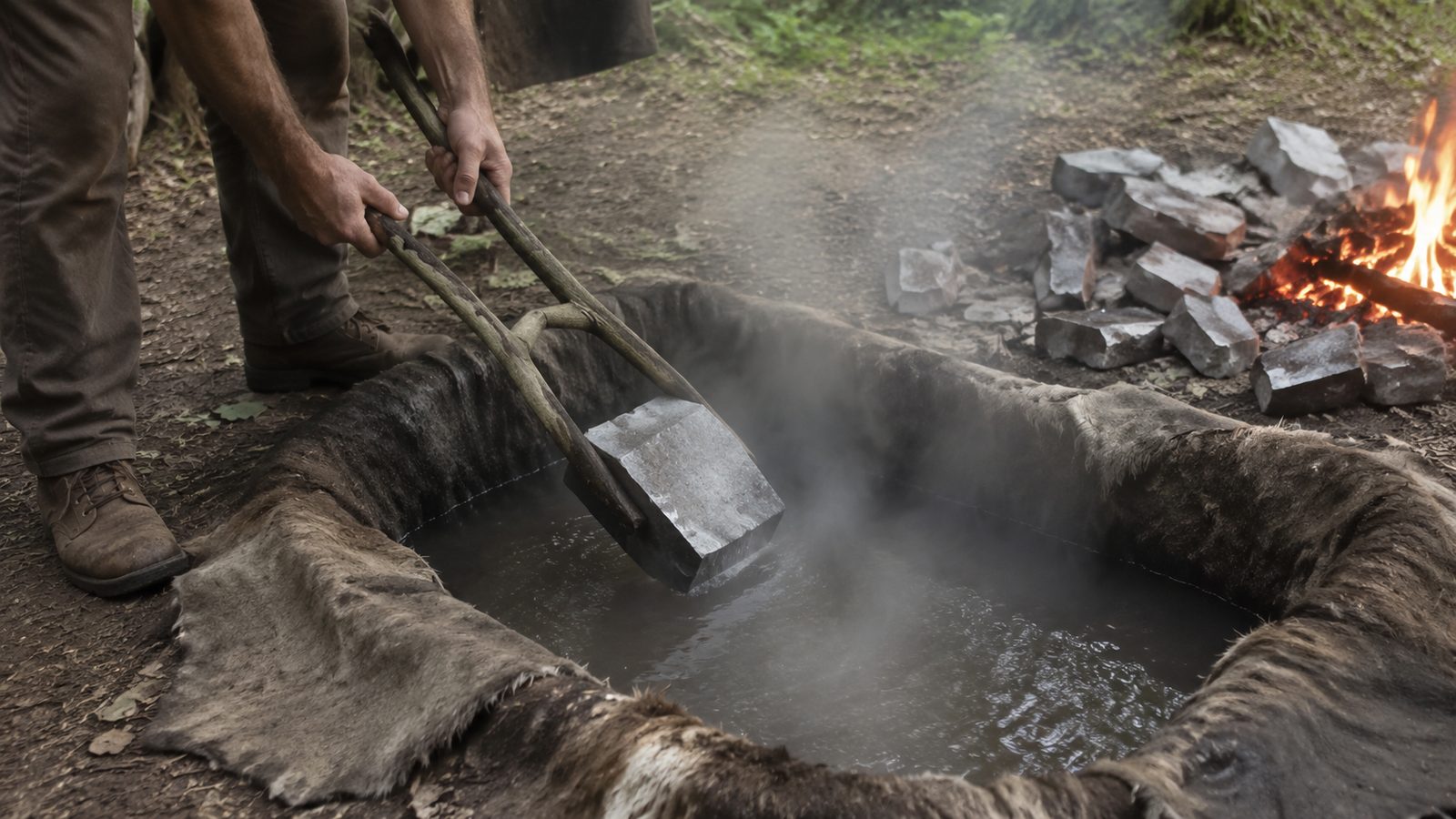
  2. 11.Stone boiling, how it really worked, and the rock that will put out your eye

Never a stone out of a creek bed. Trapped water turns to steam and the rock comes apart.

VI

Wet and cold

1
  1. 12.Hypothermia between 30 and 50 degrees, which is where it actually gets men

Not the deep freeze. The wet fifty-degree day you thought was mild.

Get the field guide $47 Three more parts below. All twenty chapters come in the one file.
VII

Eating off the country

4
  1. 13.Fat saves lives
  2. 14.Snares and deadfalls, and what the game warden will say
  3. 15.Fish traps and slow water
  4. 16.What grows where you are, and the death camas standing in the camas patch

No book replaces a person showing you a plant in the field. Mine says so out loud.

VIII

Tools and the bow

2
  1. 17.Cordage out of what is growing in your fence row
  2. 18.A stave, a bow, and forty years of being told it wrong

The cordage chapter is the one to do first. You already have the material.

IX

The ones that kill you

2
  1. 19.Carbon monoxide has no smell
  2. 20.Twelve ways it goes wrong, and the order they get you

These two are last because they are the ones I most want you to remember.

You do not have to do all twenty. Most men will do four or five of them and be better off than they were. Every chapter ends with one thing to go do on a Saturday, with what you already own.

Drawing from the book showing cold night air sliding down a valley and carrying smoke with it
From Chapter 4. Where the smoke goes when the air cools and starts to run downhill.
Drawing from the book of a thick grass bed built up under the hip and shoulder
From Chapter 7. How thick, and where to put the thickest of it.
Drawing from the book of stone boiling, with hot rocks lifted into a pot of water
From Chapter 11. Stone boiling, done in a pot, which is how it was really done.
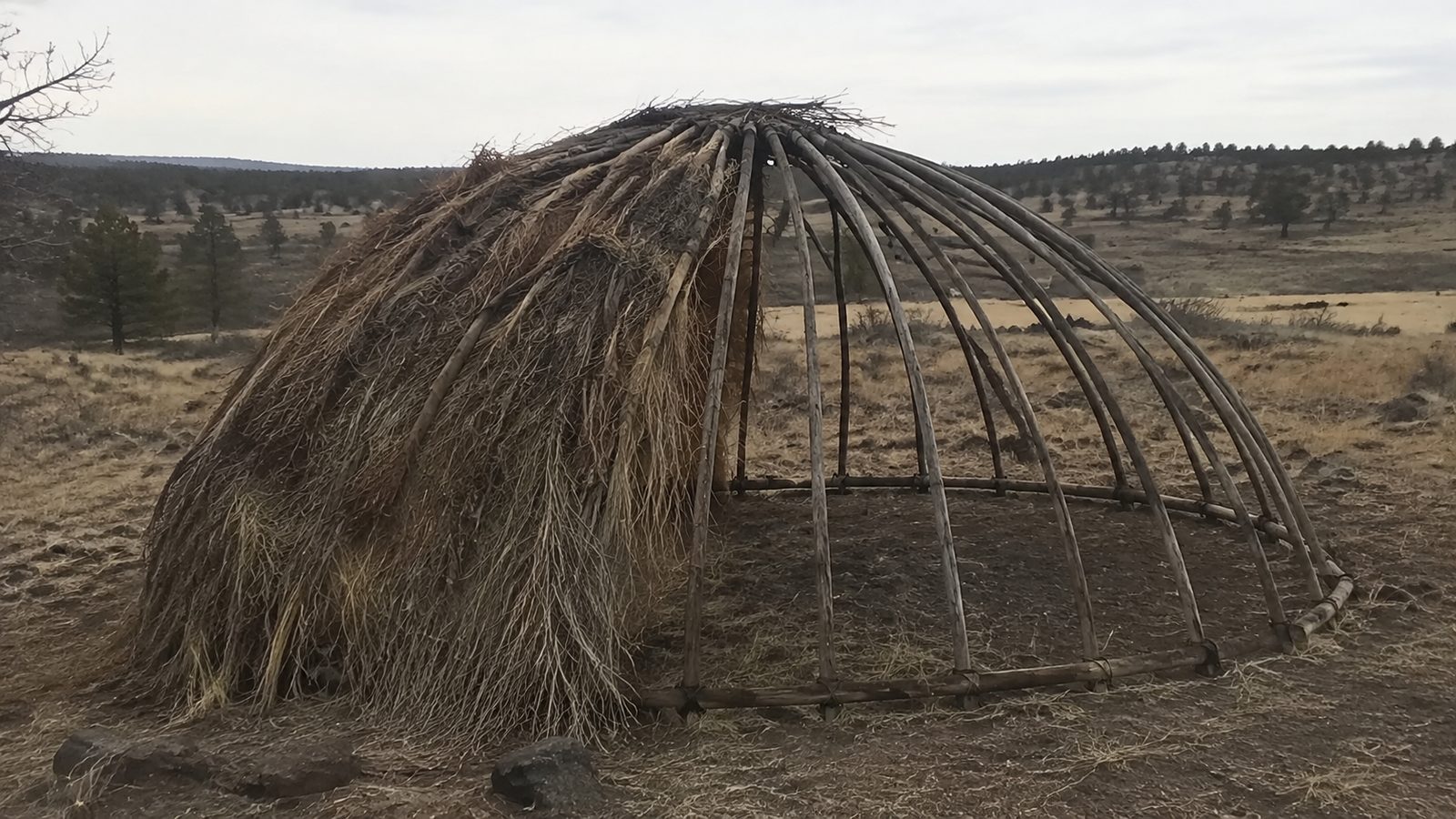
Drawing from the book of a wickiup frame, poles set and the covering started
From Chapter 9. A wickiup frame, and who built this one and where.
Get all 20 chapters $47
165 pages. Emailed to you as a PDF.

The part I am proudest of

I looked it all up before I printed it. A fair amount of it did not hold.

I had believed some of these my whole life. I went to find where they came from and I could not. Every one of them is still in the book — named, and then taken apart, because you have heard them too and you deserve to know.

Four inches of leaves under you
Nobody has ever measured what four inches of packed leaves is worth, because it packs down the second you lie on it. The only real four-inch number belongs to closed-cell foam. The book gives you the hip-and-shoulder test instead of a number.
Native people cooked without pots
They had pottery here for about four thousand five hundred years. The Haudenosaunee stone-boiled in their own clay pots. The thing that actually showed up late is the metal kettle, and it came off a European ship in the 1600s. That is a better story than the one I was told.
The earth stays 50 degrees all year
Deep ground sits near whatever your own place averages over a year. In the Upper Midwest that is the high thirties to the middle forties. In the South it is sixty-five to seventy-two. And it only steadies out below about thirty feet down. What the ground really gives you is slowness, not a number.
Get the field guide $47 Three more of these below, and all of them are in the book.
The debris hut is an old Native shelter
One man named it in 1983 — he wrote "what I call the debris hut" and it stuck. The Adirondack lean-to is settler work and Civilian Conservation Corps work. Both are fine shelters. Neither one is Native, and I say so in the chapter.
The Dakota fire hole is a Native fire
There is no tribal source for it, no museum piece, nothing written down by anybody who was there. It traces back to a Scout handbook and an Army manual. It still works. It is just not what people say it is.
Rabbit starvation killed more men than the cold
There is no count of the dead for it anywhere. The cold has one: 16,911 Americans died of exposure between 1999 and 2011. Living on lean meat with no fat will truly hurt you, and it is in the book as one of the twelve ways things go wrong. It just does not get the crown.

A thinner book that is true beats a fat one that is not.

Get the field guide $47
60 days to change your mind, and you keep the book.

What people say about the old ways

These are not reviews. Read the note first.

Nobody has read this book yet. It came out this week. There are no buyers, no ratings, and I am not going to make any up. What is below is real people talking under other folks' videos about these same skills — word for word, with the number of people who agreed with them. I put it here because it is the best proof I have that these things still live in people. When buyers do write in, their notes will go in this spot.

A lot of your tips is exactly what we followed in the jungle in Vietnam. We trained to be QUIET. Never travel the easy path and only during the day. Never leave your footprints. LISTEN for sounds
Ray D. · Tennessee66 agreed
I was Long Range Recon Patrol, in Vietnam. One of my team members was an Indigenous Native. He taught us many Native Techniques such as these, and more. And how to read trails.
Bill H. · Missouri31 agreed
I was told from when I was young, never use stones from a stream or river to mark out a fire place. They will explode when heated. I'm in Scotland.
Douglas M. · Scotland15 agreed
My father was descended from the East Coast Cherokee. He taught me camping skills that he was raised with. Never put river/lake stones close to the fire.
Wayne T. · North Carolina11 agreed
Much of this is what I grew up with I'm a Hillbilly from Eastern Kentucky with a Shawnee G-Mother, 6 generation's back.
Dale R. · Kentucky9 agreed

Two men there, on their own, said the same thing about creek rock in a fire. They learned it four thousand miles apart. That is Chapter 11, and it is the kind of thing that is worth writing down before the men who know it are gone.

Get the field guide $47
$47 today, then $75. Ends Sunday night.

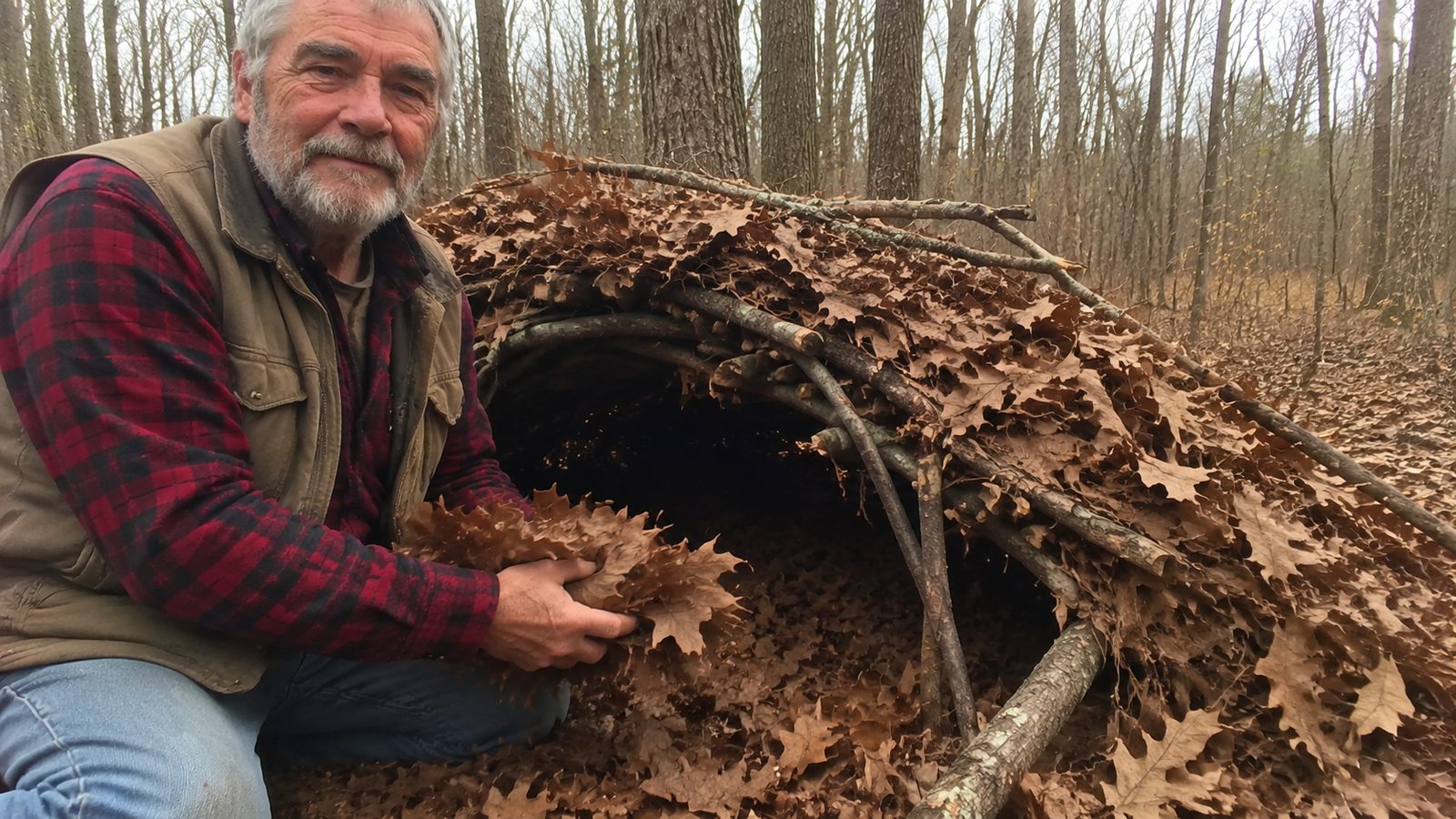
Cal Ironwood kneeling beside a brush shelter he has built in the oak and hickory woods
Eastern Oklahoma. The shelter in Chapter 8, built the slow way so the drawings would be right.
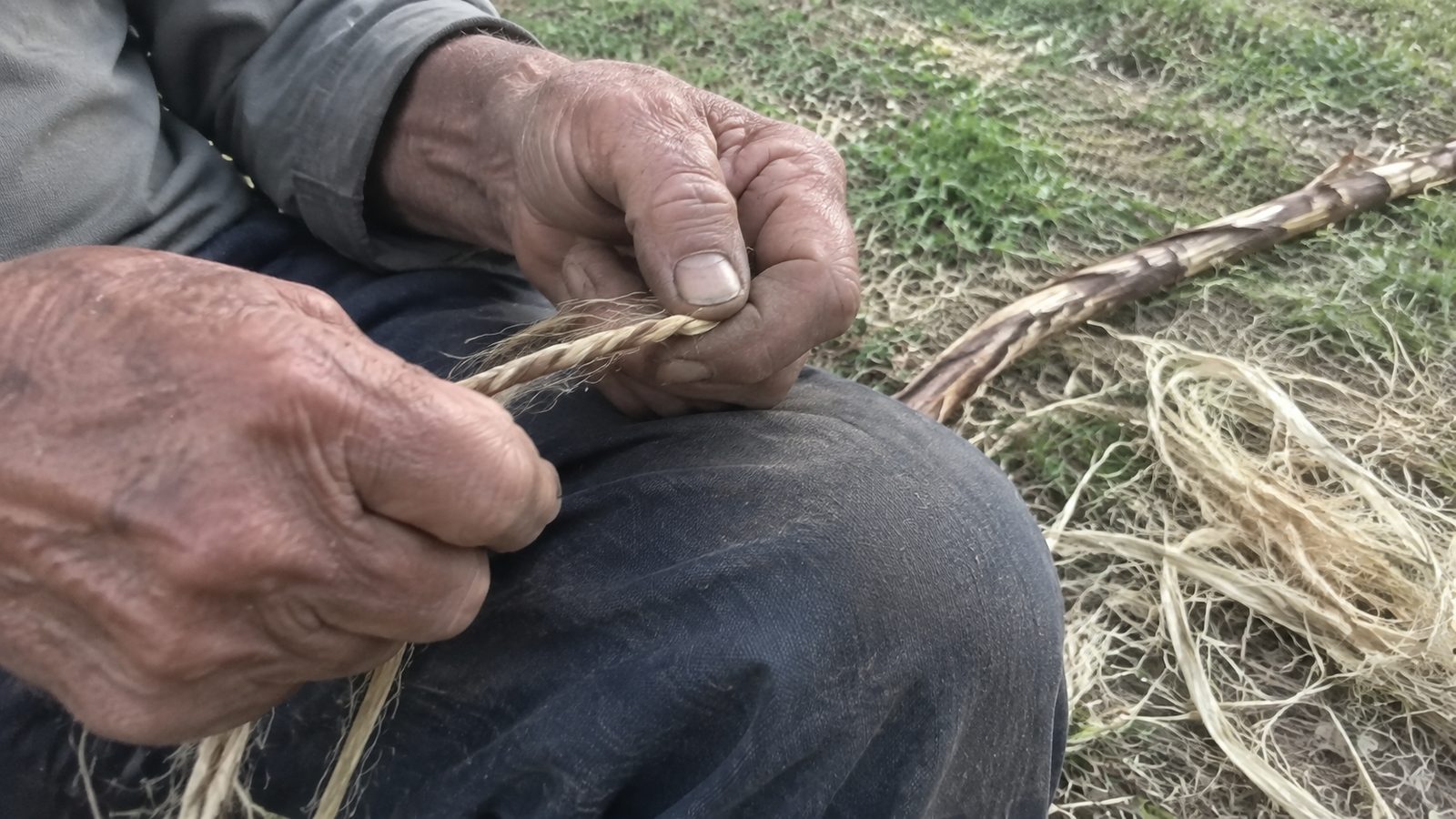
Close view of weathered hands twisting plant fiber into two-ply cordage
Cordage out of the fence row. Chapter 17, and the one I tell people to start with.

Who I am

Cal Ironwood

I'm Cal Ironwood. I'm 65 years old, raised in the oak-and-hickory hills of eastern Oklahoma where I still live today — and I'll tell you plain, I'm not a Native man myself and I've never claimed to be. What I know, I learned by hand over a lifetime from the elders and friends who carried the old ways — men like old Tom Blackfox, who let me do the work instead of just watch it, and forty years on the powwow trail from the northern plains to the desert southwest taught me the rest. I pass it on the way it was given to me, and I keep back the parts that were never mine to give.

So when a practice belongs to somebody, I say whose it is. The Comanche piled grass and hay and laid a hide over the top of it. The Nez Perce did a thing their own way and I say so. And when a trick is not Native at all — and a surprising number of the famous ones are not — I tell you that too, and where it really came from, and whether it still works.

There are parts I left out on purpose. Some things were shown to me inside a circle that was not mine, and they stay there. A book that took everything would be a bigger book and a worse man.

CalEastern Oklahoma · 2026

One more thing, said plainly, before you buy anything.

Cal Ironwood is a written character, and the voice is made with AI. I would rather you hear that from me on this page than find it out later and feel taken.

He is not a Native person. He is not enrolled in any tribe or Native nation, not affiliated with one, and not endorsed by one. This is not an Indian product under the Indian Arts and Crafts Act, and nothing here is offered as one.

What is in the book is real work: the practices are named to the people they came from, the ones that were never Native are marked as such, and the six or so famous claims that fell apart when they were looked into are printed with the truth beside them. You are buying the checking, not a bloodline.
Get the field guide $47
60 days, no questions, and you keep the book.

The whole thing, once

$47 one time. No subscription. Yours forever.

You buy it, it lands in your email, and that is the end of our money business. Nothing renews. Nothing expires. No login to lose. It is a PDF, so it is yours the way a paperback is yours.

The Old Ways Field Guide

and the three sheets that go with it

$124 $47

Launch price — ends Sunday

--
Days
--
Hours
--
Min
--
Sec
Send me the book $47
Card payment handled by Stripe. Your card details never touch my end.
VisaMastercardAmexDiscover

If you read it and it is not what you hoped, send one email inside 60 days and I put the money back the same day I see it. You do not have to give a reason and you keep the book.

Questions

The ones people actually ask

Isn't all this free on the internet already?

Pieces of it are. Scattered across a thousand clips, in no order, with no way to tell the good ones from the wrong ones. I know, because I watched them for two years and a lot of what is in them is simply not so.

This is the same subject put in order, taken further, and corrected. Nine parts, front to back, in the order a man would actually learn them. And a whole section on the famous claims that do not hold up, which you will not find in a free clip, because "here is where I was wrong" does not get many views.

Is this a real book I can hold?

Not yet. It is a PDF, 165 pages, sent to your email. You can print the whole thing on any printer, or take it to the copy shop and have them spiral-bind it for a few dollars. Plenty of men will do exactly that, and I built the page layout so it prints clean in black and white.

I am looking into a printed edition. If it happens, buyers hear about it first.

I'm not Native. Is this book for me?

Yes. Neither am I, and I say so on the cover page and again in the middle of the book.

This is not a costume and it is not a claim on anybody's family. It is a book of how things were done, with the credit put where it belongs. If your people were hill folk, or farm folk, or you came home from a war knowing how to move quiet and never got to use it again, you will recognize a great deal of it. A lot of the old ways were shared across every kind of people who lived hard on this ground.

I'm 70 and I'm not handy. Can I actually do any of it?

Most of it, yes. Nothing in here needs a strong back or a shop full of tools. The first thing I ask you to do is twist cordage sitting in a chair on your porch.

And there is no rule that says you have to do all twenty chapters. Do four. Teach two of them to a grandkid. That is a good year's work at any age.

Will this work where I live?

The thinking works everywhere. The plants do not, and I will not pretend otherwise.

That is why one of the sheets is What Grows Where You Are — you fill it in for your own county, with the look-alikes that will hurt you written down first. And I will say the hard part out loud: no book replaces a person standing next to you pointing at a plant. Death camas grows right in the camas patch and out of flower you cannot tell them apart. That warning is in the book in the same words.

How do I get it after I pay?

An email shows up with a download link, usually within a minute or two. Click it and the file saves to your computer, phone or tablet. No app to install, no account to make, no password.

If the email is not there, look in your spam or junk folder first. If it still is not there, write to orders@calironwood.com and a person will send it again.

What if I don't really have a computer?

A phone will open it fine, and so will a tablet. If neither one suits you, do what a lot of men do: have your daughter or a grandson open the email and print it at their house, and hand the stack to you.

And if you get stuck, email me at orders@calironwood.com. I will get it to you one way or another.

What if I want my money back?

Then you get it back. One email inside 60 days, no reason needed, and I send it the same day I see it. You keep the book. I am not going to take a book off a man over $47.

Is there more coming after this one?

There will be. The two I most want to write next are a year of eating off the country in one place, and hides and what you can make with them. I am not going to give you a date, because I have not written them yet and I will not promise you a book that does not exist. If you buy this one, you are on the list, and you will hear about the next one from me before anybody else does.

Get the field guide $47
Launch price ends Sunday at midnight, your time.

Last call

The knowledge does not wait for you to get around to it.

It has been leaving for fifty years, a funeral at a time. Every man who could do these things and never wrote them down took a piece of it with him. You already know that, because you are still thinking about a question you never asked somebody.

Forty-seven dollars and an afternoon, and it is written down in your house. Then it is not on you anymore.

Get the field guide $47

$47 today, $75 after Sunday · 60 days, keep the book